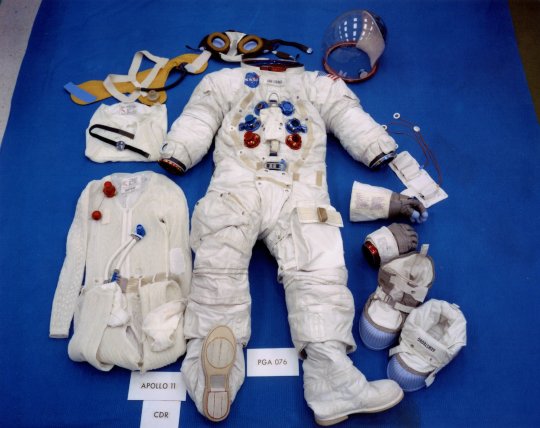
you are missing something! although those are the boots of the apollo 11 suits, they’re not what was worn on the moon. neil armstrong, not content with wearing just one pair of shoes, demanded nasa make him another, larger and cooler pair of boots just for walking on the moon.
you can see them here, to the right of the suit’s built-in boots.
photos of armstrong on the moon prominently feature the boots!
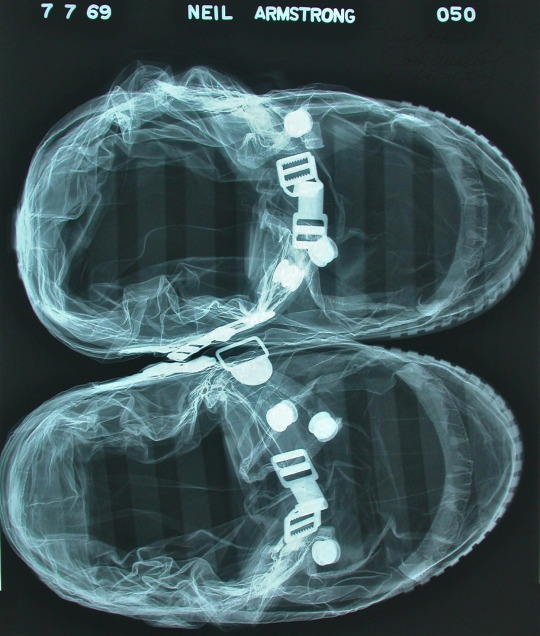
although i couldn’t find any official nasa photos of the bottoms of the boots, i could find something even more interesting! an x-ray of the boots “taken as a last minute check to see if there were any foreign objects that could compromise the integrity of the spacesuit during the mission, such as broken off tips of needles that were used in the stitching process”
the thick vertical lines are the treads at the bottoms of the boots
on a more pragmatic note: if nasa was faking a moon landing with a $150 billion+ budget, do you really think they’d mess up something as simple as a boot print?
A quick note to all my (amazing) able-bodied allies: be careful when talking about the “curb cut effect” in relation to how accessibility affects people. When you mention “prams, buggies, and bicycles” in the same breath as people with mobility aids, you’re conflating “accessibility” with “convenience”.
When disabled people talk about accessibility, we’re talking about “equal access” not “ease of access”. When something isn’t accessible, we’re not mildly inconvenienced; we’re completely excluded. When the lift isn’t working, we can’t get to work. When public transportation isn’t accessible, we’re not troubled; we’re trapped.
This is why our most vocal supporters call themselves “disability rights activists” not “accessibility advocates”. It’s not about the benefits of accessibility; it’s about the direct, long-term harm a lack of accessibility causes.
Most folks don’t realize that the ADA is not a building code, but is in fact a civil rights law. So, the next time you’re explaining how important accessibility is to your able-bodied friends, don’t just focus on how accessibility makes the most common spaces better for everyone.
Focus on how a lack of accessibility excludes disabled people from even the most common spaces.
Hazel Scott playing two pianos at the same damn time with ease
Hazel Scott was a musical sorcerer and a civil rights hero. She:
was admitted to Julliard at 8.
was performing in top venues by 16.
pioneered “swinging the classics” and made the equivalent of a million dollars a year doing it.
was the first person of color to have their own national TV show.
went to Hollywood but refused to be cast as a “singing maid.” Demanded and got control over her casting, her wardrobe, and how footage featuring her was cut.
refused to perform in segregated venues and led charges for integration in several northern cities, notably Spokane.
She was brought down by the House Committee on Unamerican Activities, and has been largely forgotten. But she was a sorcerer, and a hero.
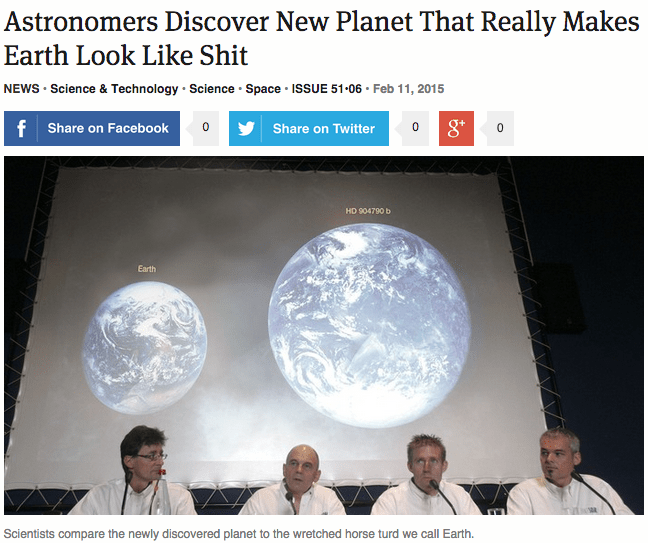
“At press time, NASA astronomers had calculated that it would take them approximately 300,000 years to reach the new planet in a space capsule, but unanimously agreed that it was worth a shot rather than ‘spend another day on this stupid lump of shit.’”








 ForLoveFromFear